
The Future of Digital Engineering in Industrial Projects
A Paradigm Shift in Industrial Engineering
The global engineering landscape is undergoing the most profound transformation in a generation. For decades, industrial projects — steel plants, power substations, bulk material handling systems, process facilities — were designed on paper and 2D CAD. Coordination between disciplines relied on physical drawing reviews, and errors discovered on site led to costly rework. That era is ending. Digital engineering tools are now mature enough to fundamentally change how industrial facilities are conceived, engineered, constructed, and operated.
At FTS Engineers Group, we have been at the forefront of this transition — investing in digital tools, processes, and people to deliver projects with higher accuracy, lower rework rates, and faster timelines. This whitepaper examines where the industry is headed and how FTS is positioned to lead.
BIM: Beyond Geometry
Building Information Modelling (BIM) is no longer a novelty — it is a procurement requirement on major international projects. But BIM adoption in heavy industrial projects lags behind the building sector. The reasons are structural: piping, equipment, structural steel, electrical cable trays, and HVAC systems in a steel plant are geometrically dense and change frequently. Coordinating these disciplines inside a unified BIM model requires discipline, software investment, and workflow discipline that many firms lack.
FTS has implemented BIM workflows using TEKLA Structures for structural elements and Autodesk Plant 3D for process piping and equipment. Our multi-discipline models enable automated clash detection — identifying interferences between pipe runs, structural members, cable trays, and equipment before a single bolt is tightened on site. On recent projects, this approach has eliminated over 80% of site RFIs typically attributable to drawing coordination errors.
The next evolution is Level 3 BIM — where the model is used not just for design coordination but as the live asset record throughout the project lifecycle, feeding into commissioning checklists, maintenance schedules, and handover documentation. FTS is actively piloting this approach with key clients in the steel sector.
Digital Twin: From Design to Operations
A Digital Twin is a live digital replica of a physical plant — connected to real sensor data, capable of simulating process scenarios, and used to optimise operations without shutting down the facility. For steel plants, where a single day of unplanned downtime can cost millions, the ability to test process changes, maintenance schedules, or equipment modifications in a virtual environment before implementing them physically is transformative.
FTS engineering deliverables — 3D models, P&IDs, equipment data sheets, isometrics — form the static foundation for a Digital Twin. As clients integrate OT/IT systems and add real-time sensor connectivity, our models become the geometric backbone. We are working to ensure our deliverable standards support this future state from day one, rather than requiring retroactive data enrichment.
3D Scanning: Essential for Brownfield Projects
Brownfield revamps — modifying or expanding existing plants — represent a major share of industrial engineering work in India and globally. The challenge: existing as-built drawings are invariably incorrect, incomplete, or missing entirely. Conventional field surveys are slow and error-prone. 3D laser scanning changes this fundamentally.
By capturing a dense point cloud of the existing plant, we can create an accurate as-built model in days — enabling new equipment to be engineered and positioned with millimetre precision before site work begins. FTS has integrated 3D scanning into our brownfield workflow, dramatically reducing the risk of clashes between new and existing elements on revamp projects.
Our Software Platform: SolidWorks, Inventor, TEKLA, Plant 3D
FTS maintains a diversified digital engineering platform: SolidWorks and Inventor for mechanical equipment and custom component design — conveyors, vibratory chargers, casting machines, and bespoke equipment. TEKLA Structures for industrial structural engineering and fabrication drawings. Autodesk Plant 3D for process piping, P&ID development, and multi-discipline plant models. PDMS/E3D for large process plant projects aligning with EPC contractor requirements.
Cross-discipline coordination happens in a federated model environment, where individual discipline models are combined for clash detection and design review. This eliminates the traditional reliance on manual drawing overlays and significantly reduces coordination meeting cycles.
Automation of Engineering Deliverables
The most immediate efficiency gain from digital engineering is the automated extraction of deliverables from the model. In TEKLA, fabrication drawings, BOQs, and erection marks are generated directly from the structural model — not hand-drafted. In Plant 3D, isometric drawings are extracted automatically from the piping model. This eliminates the manual re-work cycle where a design change in the model requires manual updates to multiple drawings, and dramatically accelerates the delivery of IFC drawing packages.
FTS is extending this philosophy to equipment data sheets, instrument schedules, and cable schedules — aiming for a model-driven deliverable ecosystem where the 3D model is the single source of truth for all project documentation.
The Road Ahead
Digital transformation in industrial engineering is accelerating. AI-assisted clash detection, generative design for structural optimisation, drone-based progress monitoring, and AR-enabled construction verification are moving from pilot to mainstream. FTS is committed to staying at the frontier — not because technology is an end in itself, but because digital engineering directly translates to better outcomes for our clients: fewer site surprises, shorter delivery schedules, and more accurate project costs.
The engineering firms that will lead the next decade are those that invest in digital capability today. At FTS, that investment is well underway.
What You Need to Know
- Digital Twin technology reduces engineering rework by 30%+ on brownfield and expansion projects by enabling virtual simulation before physical work.
- BIM enables automated clash detection across disciplines before construction, eliminating the majority of site RFIs caused by coordination errors.
- 3D laser scanning is now critical for brownfield revamp projects — providing accurate as-built models in days instead of weeks of manual survey.
- Automation of drawing extraction from 3D models (TEKLA, Plant 3D) dramatically accelerates IFC package delivery and eliminates manual re-drafting.
- Digital engineering improves cross-discipline coordination by creating a federated model environment as the single source of truth for all project documentation.
Related Insights
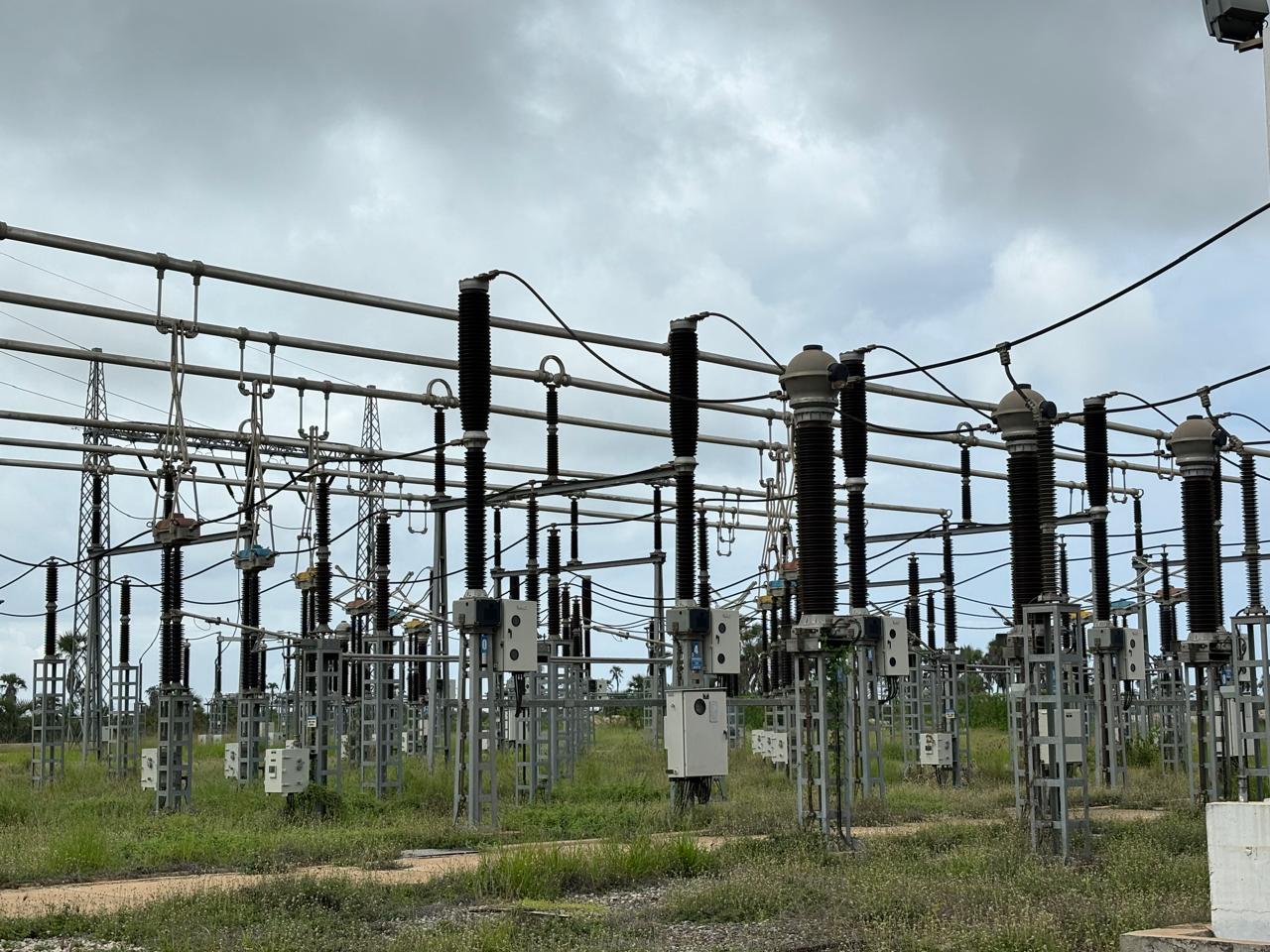
Clean Energy Transition in Industrial Engineering
How engineering firms like FTS are positioned to accelerate clean energy transition through innovative substation and power plant project delivery.
Oct 28, 2024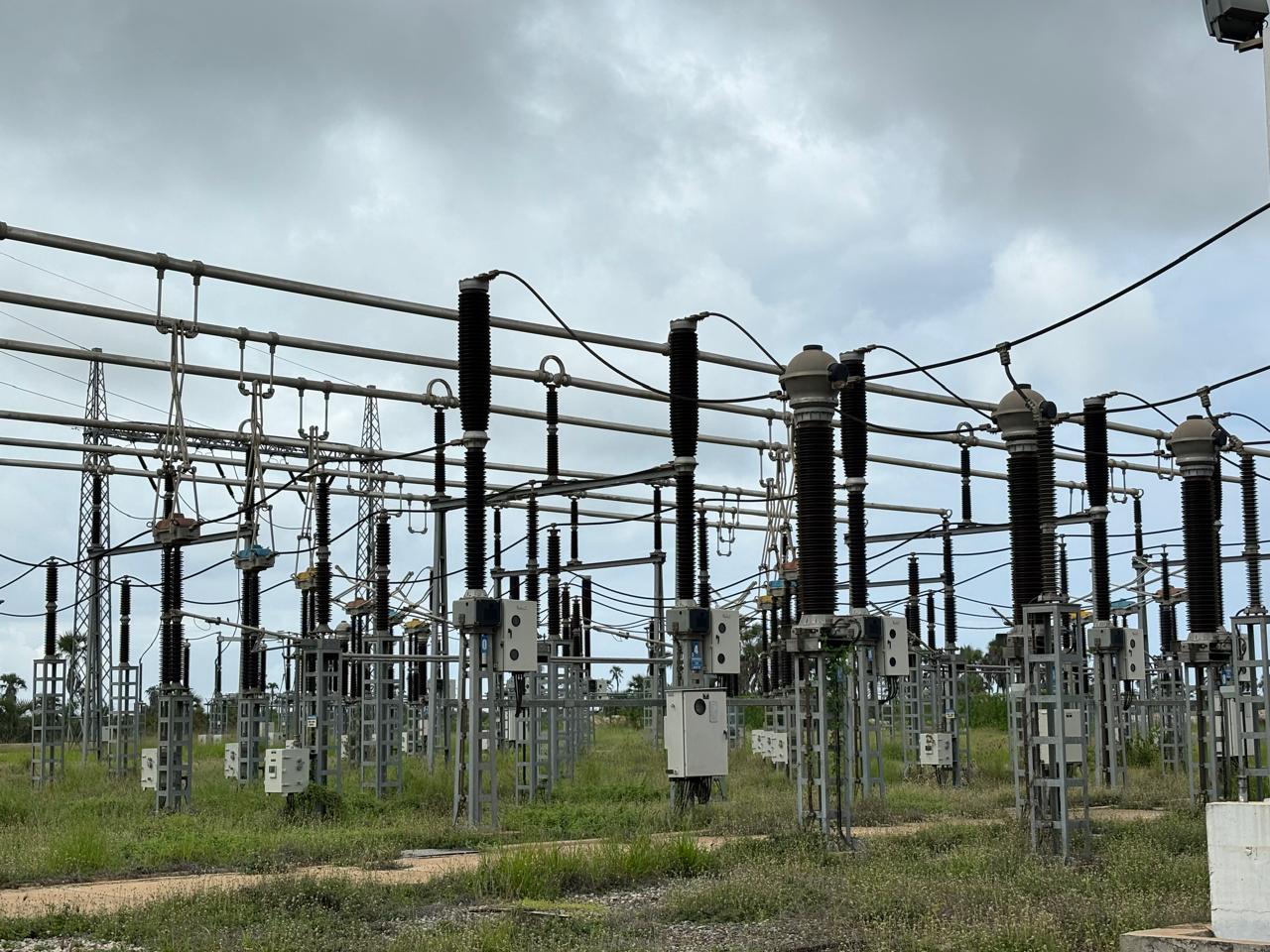
FTS Completes 230kV Substation in Angola
FTS Engineers Group successfully delivers the AISCO 230kV substation in Angola, marking another milestone in our international project portfolio.
Oct 10, 2024Ready to Digitise Your Next Project?
Talk to our digital engineering team about BIM, 3D modelling, and model-driven delivery for your next industrial project.