
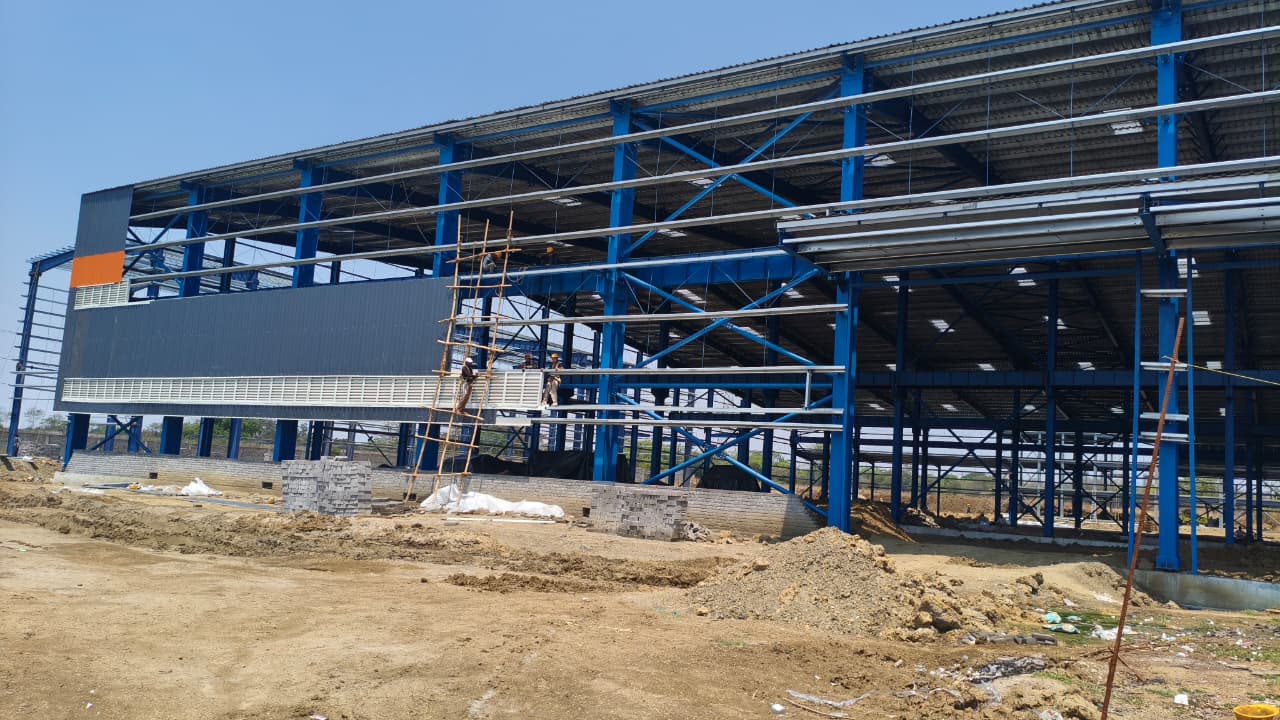
Quality & Certifications
FTS Engineers Group is certified to four internationally recognised management system standards — ISO 9001, ISO 14001, ISO 45001, and OHSAS 18001 — reflecting our commitment to quality, safety, and environmental responsibility across every project we deliver.
Engineering Excellence by Design
FTS Engineers Group's Quality Policy is built on a single principle: every engineering deliverable must be correct, complete, and fit for its intended purpose. Quality is not an inspection step at the end of a project — it is embedded in how we work from the first line of a project scope to the final IFC drawing package.
Our Quality Management System has been certified to ISO 9001:2015 for over a decade. Every project is managed under a project-specific Quality Assurance Plan that defines deliverables, review stages, checking responsibilities, and client approval gates. Non-conformances are formally tracked, root-caused, and closed — feeding continual improvement of our engineering processes.
Our target: zero engineering errors that reach the construction site. We measure ourselves against this standard on every project.
- All engineering calculations independently checked before issue
- Formal inter-discipline coordination reviews on every project
- Document management system with controlled revision history
- Client comment register tracked to closure
- Annual internal and third-party QMS audits
- Continual improvement through NCR root-cause analysis
- Project-specific Quality Assurance Plans for all contracts
Internationally Certified
Four internationally recognised management system certifications, maintained through annual third-party audits.
FTS's ISO 9001 certification confirms that our Quality Management System meets the most rigorous international standards. It covers every stage of our engineering process — from enquiry review and project planning through design development, checking, and IFC deliverable issue. Audited annually by an accredited certification body.
Our ISO 14001 certification reflects FTS's commitment to responsible environmental stewardship. We systematically identify and manage environmental impacts across our operations — from energy use in our engineering offices to waste management on project sites where FTS has a supervisory presence.
ISO 45001 is the world's leading international standard for occupational health and safety management. FTS's certification demonstrates our systematic approach to identifying, managing, and mitigating risks to our engineering team — both in the office environment and during site visits and resident engineer assignments.
OHSAS 18001 underpins our safety management framework on project sites and during construction supervision. FTS maintains this certification alongside ISO 45001 as many international and government clients require it for contractor qualification and pre-bid compliance submissions.
HSE Commitment
Safety is non-negotiable. Zero harm to our people, our clients' personnel, and the communities where we work.
Zero Harm Target
FTS operates with a zero harm target across all project activities. Safety performance is a key performance indicator reviewed at monthly management meetings.
Risk Assessment
Formal risk assessments are conducted for all site activities and high-risk engineering tasks. Method statements are prepared, reviewed, and approved before work commences.
Safety Training
All FTS engineers and project staff receive regular HSE training, including site induction refreshers, emergency procedures, and discipline-specific safety awareness.
Safe Working Environment
FTS engineering offices are maintained to high ergonomic and safety standards. All electrical installations, fire safety systems, and first aid facilities are regularly inspected and maintained.
Incident Reporting
FTS operates a no-blame incident reporting culture. Near misses, minor incidents, and hazard observations are all reported, investigated, and used to improve safety systems.
Environmental Care
Under our ISO 14001 system, FTS monitors and minimises environmental impacts — including energy consumption, waste generation, and emissions — across all office and project site operations.
Our Quality Process
Six structured stages from project kick-off to final IFC delivery — each with defined checks, approvals, and quality gates.
Project Initiation Review
Every project begins with a formal review of client requirements, applicable codes and standards, project scope, and deliverable schedule. A dedicated QA plan is prepared for each project.
Design Development
Engineering is developed in defined stages — FEED, preliminary, detailed — with stage gates and internal review checkpoints at each transition. Design basis documents are approved before detailed work proceeds.
Inter-Discipline Checking
Multi-discipline review ensures that inputs and outputs between structural, mechanical, electrical, and civil disciplines are consistent. 3D model clash detection supplements manual coordination.
Independent Design Check
All engineering calculations and key drawings are subject to an independent check by a senior engineer not involved in the primary design. Check comments are formally responded to and closed.
Client Review & Approval
Deliverables are issued for client review with formal transmittals. Client comments are logged, responded to, and incorporated in a tracked revision. All approvals are recorded in the document management system.
IFC Issue & Archiving
Issued-for-Construction documents carry formal approval stamps and revision history. On project completion, all deliverables are archived in a structured format and transferred to the client for the asset record.
Quality Assurance Through Software
Our engineering software platform underpins quality — model-driven deliverables eliminate manual re-drafting errors and ensure consistency.
Certified Engineering You Can Rely On
Our ISO-certified quality management system means your engineering deliverables meet the standards your project demands. Let's talk.