Clean Energy Transition in Industrial Engineering
The Industrial Decarbonisation Imperative
Heavy industry accounts for roughly 30% of global greenhouse gas emissions, and the steel sector alone is responsible for 7–9% of all CO₂ produced worldwide. Governments, investors, and increasingly industrial clients themselves are demanding decarbonisation pathways. For engineering firms, this creates both a challenge — existing expertise and project pipelines are tied to fossil-fuel-intensive processes — and a significant opportunity.
At FTS Engineers Group, our two decades of experience in steel, power, and process engineering place us at the intersection of where decarbonisation engineering work is being done. This article examines the key technical transitions underway and FTS's positioning to support them.
Steel Decarbonisation: The DRI-EAF Route
The dominant route to steelmaking decarbonisation is the shift from the traditional Blast Furnace–Basic Oxygen Furnace (BF-BOF) route to Direct Reduced Iron coupled with Electric Arc Furnace (DRI-EAF). The DRI-EAF route, when powered by renewable electricity and fuelled by green hydrogen, can reduce steelmaking emissions by more than 60% compared to the conventional route.
This transition requires substantial engineering investment: new DRI modules need to be integrated with existing raw material handling systems; EAF facilities require dedicated power supply infrastructure with very high connected loads; gas handling systems must be adapted for hydrogen blends; and existing material flow logic must be re-engineered. FTS's expertise spanning mechanical process engineering, electrical power systems, and structural engineering makes us a natural partner for clients navigating this transition.
Indian steel producers including JSW, Tata Steel, and SAIL have announced significant DRI-EAF investment programmes. As these projects move from announcement to engineering, FTS is engaging early to position our capabilities.
Renewable Energy Integration for Heavy Industry
Renewable energy penetration in heavy industrial contexts presents unique engineering challenges. Unlike commercial buildings, industrial plants have power demand profiles characterised by large inductive loads, harmonics from motor drives and arc furnaces, and very high peak demand during certain process cycles. Integrating variable renewable generation — solar PV, wind — into these systems requires sophisticated power system engineering.
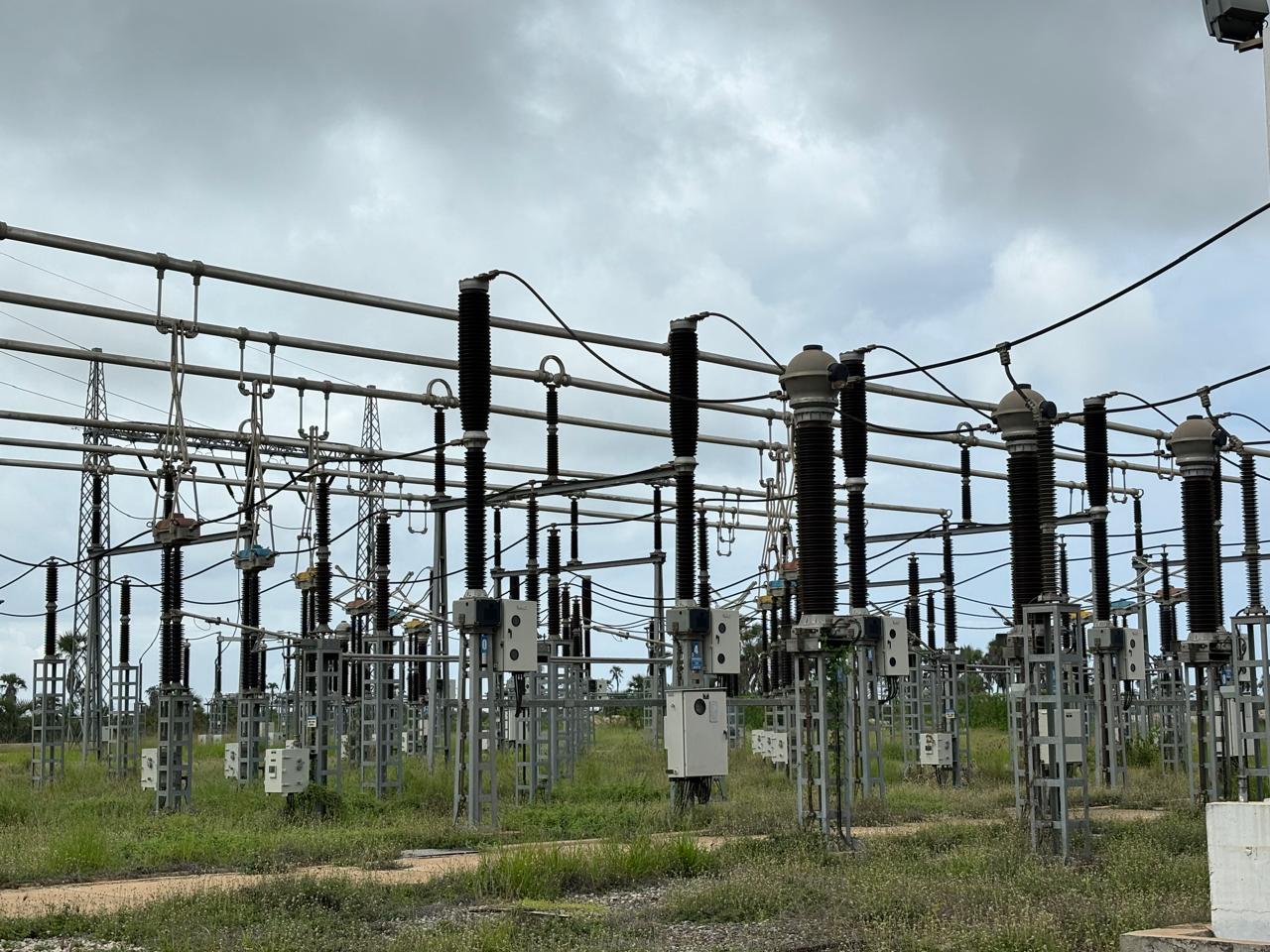
FTS's electrical engineering team has experience in industrial power systems from 33kV to 230kV — designing substations, protection systems, and power distribution networks for steel plants and process facilities. This expertise is directly applicable to the design of renewable grid connection substations, battery energy storage system integration, and power quality management for industrial renewable consumers.
Our 230kV GIS substation project in Angola — delivering power infrastructure for AISCO's steelmaking facility — demonstrates our capability to design and deliver high-voltage power infrastructure in demanding international environments. The same competency applies directly to renewable grid connection projects.
Green Hydrogen: The Long Game
Green hydrogen — produced by electrolysis powered by renewable electricity — is increasingly seen as the key enabler of deep industrial decarbonisation. For steelmaking, green hydrogen replaces natural gas or coal in the DRI reduction process, eliminating process CO₂ at source. For cement, chemicals, and refining, hydrogen offers a pathway to decarbonise high-temperature heat that cannot easily be electrified.
India has set ambitious targets for green hydrogen production as part of its National Green Hydrogen Mission. FTS is monitoring technology developments closely. Our process engineering capability — gas handling systems, pipework, pressure vessels — is relevant to hydrogen infrastructure, and we are building the competency to serve this emerging market as it matures from pilot to commercial scale.
Substation Engineering for the Renewable Grid
Grid-connected renewable projects — wind and solar farms — require step-up substations to inject power into the transmission network. These substations require the same fundamental engineering as conventional substations: transformer sizing, busbar design, protection and control systems, earthing, civil and structural design. But they also require additional expertise in reactive power compensation, grid code compliance, and SCADA integration with plant supervisory systems.
FTS's substation engineering team — with experience delivering projects up to 230kV in India, Africa, and the Middle East — is well positioned to support renewable developers and industrial consumers seeking dedicated renewable supply substations. The energy transition is creating a sustained pipeline of substation engineering work that aligns directly with our core competency.
The clean energy transition is not a distant horizon — it is happening now, in the projects being tendered and awarded today. Engineering firms that invest in the relevant competencies will capture the work of the next two decades. FTS is investing accordingly.
What You Need to Know
- The steel sector accounts for 7–9% of global CO₂ emissions — decarbonisation of steelmaking is one of the defining engineering challenges of the next decade.
- The DRI-EAF route reduces steelmaking emissions by 60%+ compared to BF-BOF, and requires significant new engineering investment in power, process, and material handling.
- Renewable-powered substations for industrial consumers require new engineering skills in power quality, reactive compensation, and grid code compliance — areas where FTS is building expertise.
- FTS's experience delivering 230kV substations internationally gives us directly transferable capability for renewable grid connection infrastructure.
- Green hydrogen will be the critical enabler of deep decarbonisation in hard-to-abate sectors; FTS's process engineering platform is positioning for this emerging market.
Related Insights
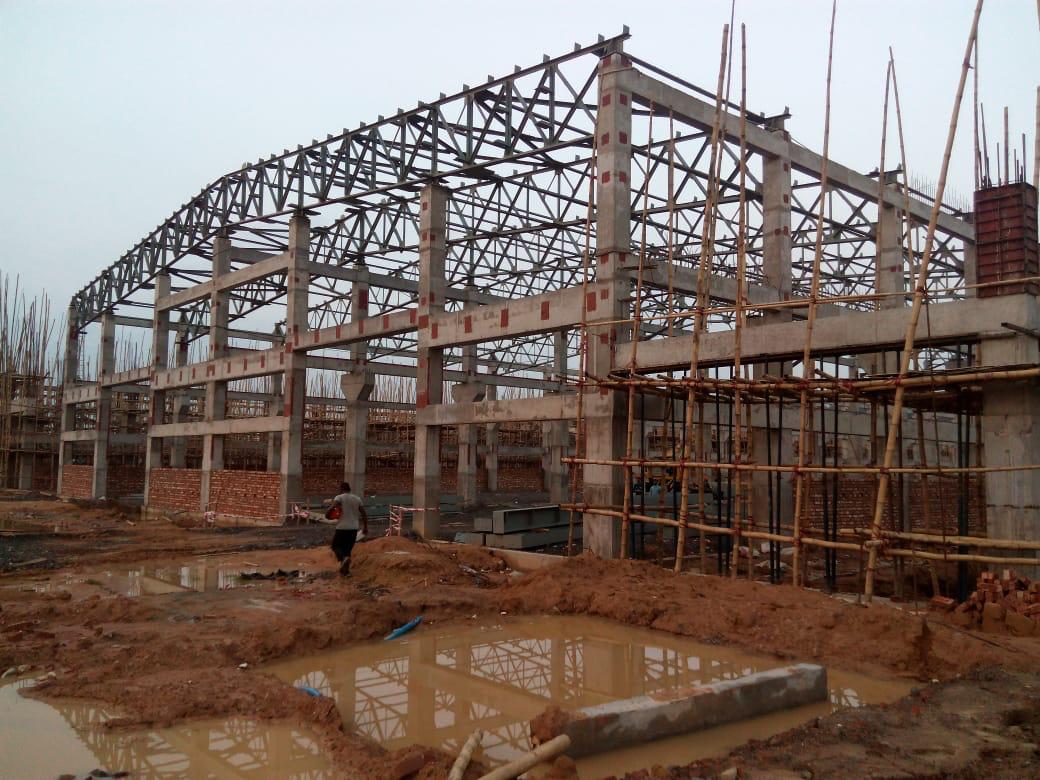
The Future of Digital Engineering in Industrial Projects
How BIM, Digital Twin, and advanced simulation are transforming industrial project delivery across steel, power, and bulk handling sectors.
Nov 12, 2024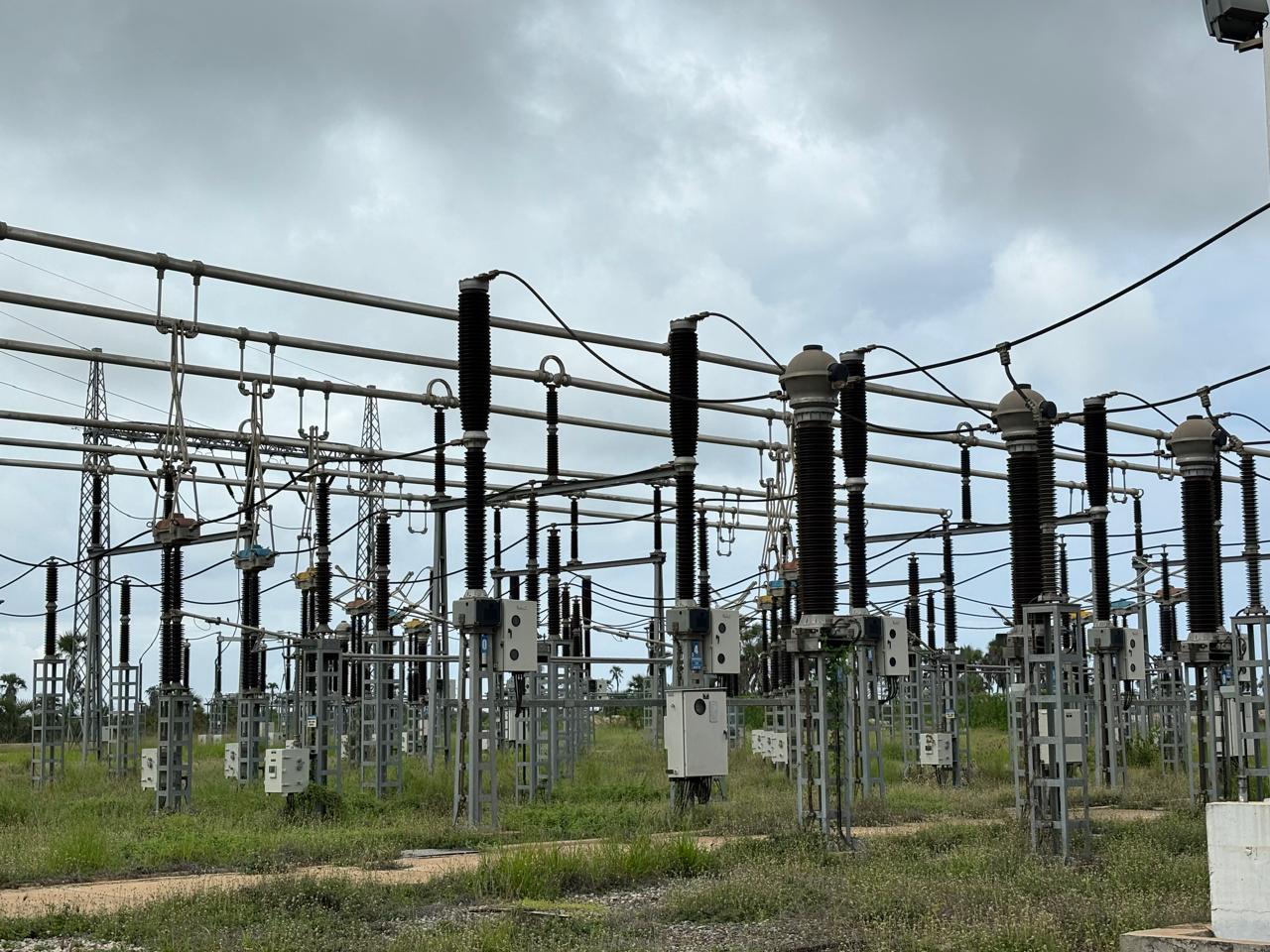
FTS Completes 230kV Substation in Angola
FTS Engineers Group successfully delivers the AISCO 230kV substation in Angola, marking another milestone in our international project portfolio.
Oct 10, 2024Planning an Energy Transition Project?
Our substation and power systems engineering team can support your renewable integration or industrial decarbonisation programme.